

Bringing Outside AV Into a DC Hotel Ballroom: A Contract Guide
The in-house AV clause, the outside-vendor fee, the rigging and power exclusives - what each one says, what it costs, and when to negotiate it. Written by a production team that builds in these rooms.
Yes - most DC hotels let you bring your own AV company into the ballroom. What it costs depends on the contract: hotels commonly earn 35–50% commissions on in-house AV, so some charge an outside-vendor fee to recover that margin, and most keep rigging and power - sometimes internet - with the house provider. Expect a certificate-of-insurance requirement and advance deadlines for rigging plots and dock times. Nearly every term is negotiable before you sign, and almost none after.
What the In-House AV Clause Actually Is
The clause is not about equipment quality. It is a revenue line - read it that way and every fee on the estimate makes sense.
The commission behind the quote
Hotels typically collect a commission from the on-site AV provider. Industry coverage in Smart Meetings puts the standard range at 35 to 50 percent of the AV invoice, and producers interviewed by Endless Events have reported commissions as high as 60 percent. That margin has to come from somewhere - it is why a house quote for the same ballroom system often lands well above an outside bid. The house is not gouging; it is carrying the building's cut.
"Preferred" is not "exclusive"
Most hotel contracts name a preferred or in-house provider, not a mandatory one. Read the actual sentence. If the draft says you must use the house company for production, that is a negotiation point, not a fact of the building - planner-rights guidance published in MeetingsNet recommends writing freedom-of-choice language or a third-party addendum into the initial contract.

The Fees When You Bring Your Own AV
No hotel publishes one universal number. The mechanics, though, are consistent from property to property.
The outside-vendor fee
Some properties charge a flat fee or a percentage tied to your AV spend for admitting an outside production company - in effect, recovering part of the commission the hotel would have earned in-house. It is negotiable: Smart Meetings notes flatly that the planner does not have to accept the clause - and concessions come far easier before signature or with multi-year business on the table.
The exclusives you will still buy from the house
Rigging, power, and often internet stay with the building no matter who produces your show. Encore's published service-standards manual for one Marriott resort names Encore the exclusive rigging and power-distribution provider, routes high-speed internet through the house, and bars outside AV companies from hanging equipment on the building or patching into house sound. One Hilton convention property's outside-vendor guidelines do the same for rigging and in-house electricians. Budget these as venue line items from day one.
Get every number in writing
The published manuals above price rigging, power, and internet as "contact us" items - so make your contract attach the actual price lists as exhibits: rigging point and motor rates, power drops, bandwidth. A property that will not put its fees on paper is answering your question.
What Stays With the House - and What Comes With Your Partner
The split is more predictable than the fee schedule. Three buckets cover almost every DC hotel ballroom.
Usually the house's
Rigging labor and hardware on the building's fly points, power distribution and house electricians, guest-room AV, and often the conference network. Both published documents above make rigging and power formally exclusive; anything unusual - an aerial performer, say - triggers separate approval measured in weeks, with liability limits to match.
Usually yours to bring
The production itself: audio consoles, speakers, and microphones - the Encore manual requires outside companies to bring a complete separate sound system rather than touch the house system - plus cameras, switching, LED, projection, lighting, scenic, show control, and the crew that operates it all.
Always yours: the paperwork
The certificate of insurance is the outside-AV admission ticket. Published examples require general liability naming the hotel's exact ownership entities as additional insured - at one convention property, $2 million for most vendors and $10 million for rigging contractors, filed a month before the event. A production partner who works hotels weekly produces these without being chased.
The Negotiation Sequence
Timing is the whole game. Your leverage peaks at the RFP, survives until signature, and is a favor request afterward.
Tell every property on the shortlist that you intend to bring a production partner, and ask each for its outside-vendor policy, fees, and exclusive services in writing. Comparing those answers is part of comparing the hotels.
Strike any must-use clause. Add freedom-of-choice language or a third-party addendum. Cap or waive the outside-vendor fee - multi-year bookings are the strongest chip - and attach the rigging, power, and internet price lists as contract exhibits.
Dock windows, freight elevator access, storage, security check-in, and any load-in supervision fees belong in the contract, not in a phone call three weeks out. Storage matters: fire codes bar equipment from back hallways.
Certificate of insurance with the hotel's exact additional-insured entities, hold-harmless agreement if required, signed vendor guidelines. Published properties want these 20 days to a month early - late paperwork can keep a crew off the dock.
Rigging plot with loads to the house rigger, labor calls, power orders, network requests. The published Encore manual wants complete production requirements 21 days before load-in; miss the window and the house can refuse the plot.
When In-House AV Is the Right Call
Sometimes the house team is the correct answer - and a production company that pretends otherwise is selling, not advising.
Small, simple rooms
One meeting room, a projector, two microphones: the house inventory is already on site, there is no trucking or crew travel to pay for, and an outside-vendor fee could eat any savings. The Encore manual's own case for in-house - on-site stock, last-minute coverage, no shipping or per-diem costs - is legitimate at this scale.
Breakout-heavy programs
A fleet of identical small rooms is what house AV does efficiently. A split many planners land on - and industry negotiation coverage endorses - is house AV on the breakouts, outside production on the general session, where stakes and savings concentrate.
No runway left
If you are already inside the advance windows above - plots, certificates, labor calls - the house team's head start is real. Bring in a production partner when the program justifies the paperwork: general sessions, LED, broadcast, award galas, multi-room shows.
What It Looks Like When the Program Justifies It
From TriVision's published case files: a DC hotel production that no house inventory could have covered.

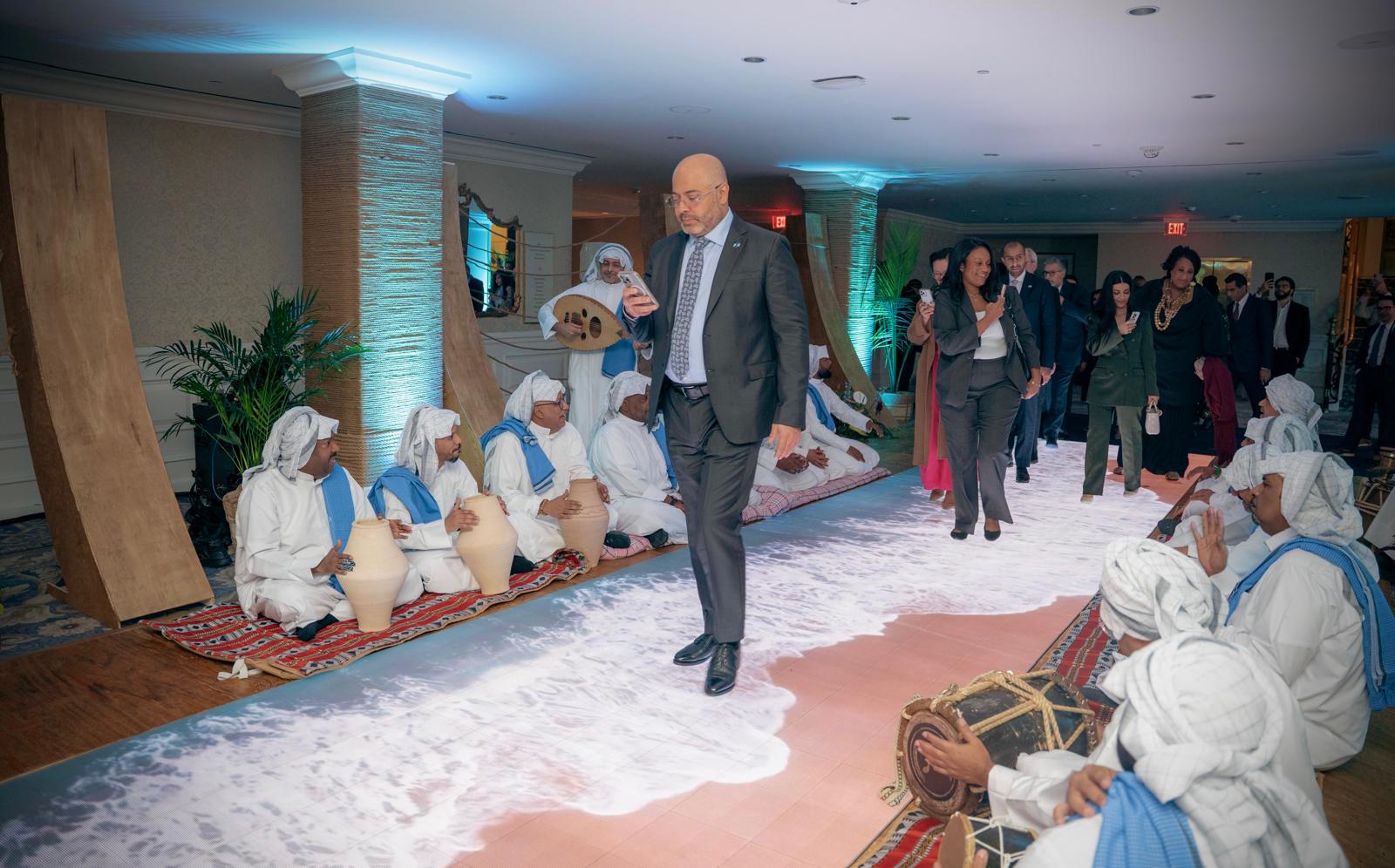
Kuwait Banking Association - Waldorf Astoria, Washington DC
1,000+ VIP guests, a full indoor-outdoor hotel takeover on Pennsylvania Avenue: ballroom LED walls, specialty LED displays, full lighting and audio - loaded in by a 25+ person crew from 3+ trucks and show-ready inside 24 hours, planned alongside the hotel's own team.

CancerCon - Washington DC
Multi-day conference production in a DC hotel ballroom: LED walls, IMAG, and live show support.

CKA Envision Gala - The Mayflower Hotel
Gala and summit production in a landmark DC hotel ballroom.
How TriVision Runs the Hotel Side
Most DC-area venues allow outside AV companies. The difference between a smooth build and a dock argument is who does the advance work.
The venue advance happens before the quote
We advance each building before the proposal is final - dock windows, freight elevators, house-electrician and rigging requirements - and flag any venue fees in the proposal, not after. The full scope of what we bring is on our AV services for corporate events in Washington DC page; crews and owned inventory deploy from Chantilly, VA, about 25 miles out.
The money question is its own article
This guide covers the contract. For the dollars-and-cents comparison - where the costs sit and which model saves more at each program size - see in-house AV vs. an outside AV company: which saves you more.
Send Us the AV Clause
Forwarding a draft contract costs nothing. We will tell you what the AV language means, which fees are commonly negotiable, and what production for your program would run - before you sign.
Questions planners ask us
Can a DC hotel require us to use its in-house AV company?
Rarely as an absolute - most contracts name a preferred provider, not a mandatory one, and most DC-area venues allow outside AV companies. What matters is your draft's language: if it mandates the house provider, negotiate before signing - freedom-of-choice language or a third-party addendum. After signature, the hotel has no reason to give the clause back.
What does it cost to bring an outside AV company into a hotel?
There is no universal fee. Some hotels charge an outside-vendor fee - flat or tied to AV spend - to recover part of the 35–50% commission they commonly earn on in-house AV, and you will still buy the house exclusives: rigging, power, often internet. On production-heavy programs the savings on the AV scope commonly outweigh those charges; on a small single-room meeting they may not. Get each fee in writing before you sign.
What insurance will the hotel require from our AV company?
A certificate of insurance showing general liability coverage, with the hotel's exact ownership entities named as additional insured, plus workers' compensation and sometimes auto liability. Published hotel guidelines show limits of $2 million for most vendors and $10 million for rigging contractors, due roughly a month out, often with a signed hold-harmless agreement. Anything suspending a person carries higher limits and weeks of separate approval.
Are rigging, power, and internet always exclusive to the hotel?
Rigging and power usually are; internet varies by property. Published venue documents from Encore and major-flag hotels name the house exclusive for rigging and power, bar outside companies from hanging equipment on the building, and route conference networking through the house. Budget all three as venue line items no matter who produces the show, and get the price lists before signing.
When should we negotiate the AV clause?
At the RFP stage and before signature - that is when hotels make concessions to win the booking. Declare your outside production partner in the RFP, get every fee and exclusive in writing, and fix the contract language before you sign; multi-year commitments are the strongest leverage. After signing, expect firm deadlines instead: certificates of insurance about a month out, rigging plots and labor calls about three weeks out.
When is the hotel's in-house AV team the better choice?
For small single-room meetings, breakout-heavy programs with modest technical needs, and events with no runway left before the advance deadlines. House inventory is already on site, so nothing has to be trucked in at that scale. Many planners split the difference: house AV on breakouts, an outside partner on the general session and galas - the rooms where equipment, crew continuity, and rehearsal change the outcome.
Let’s talk about your event
Tell us the date and the room - we’ll bring the plan.